

Dealing with Aging Pipes? Learn how iPT Pressure Tank System Helps Homes with Old Piping Systems
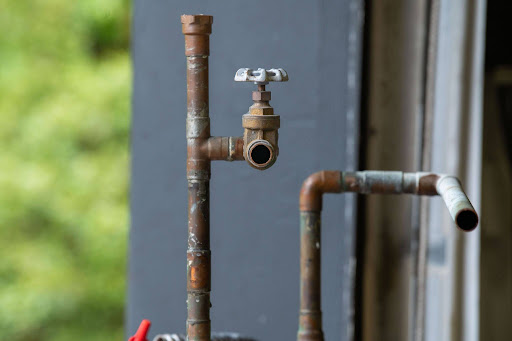
Living in an older Malaysian terrace or walk-up flat often means dealing with weak water pressure and restricted flow. While replacing old galvanised iron pipes is the best long-term fix, a full repiping job is a major expense and a messy disruption that many households prefer to delay. A pressure tank system, like the iPT system by Tsunami Pump, offers a practical alternative. Instead of using a standard booster pump that can violently force water through fragile plumbing and cause leaks, booster pump paired with iPT pressure tank system stabilises the flow using safer, conservative pressure settings. What You Need to Know About iPT Pressure Tank System and Old Plumbing iPT pressure tank system reduces sudden spikes and pump cycling, protecting fragile joints and fittings in aging pipes. Empire Plumber notes that low water pressure in Malaysian homes commonly stems from issues with water pumps, old or undersized pipes and clogged filters. Conservative cut-in and cut-out pressure settings help older piping handle improved flow without exceeding safe limits. Professional Malaysian service providers emphasise that improving water system efficiency for older houses usually involves pump, pressure tank system and filtration improvements. Table of Contents Introduction Many Malaysian homes built before the year 2000 still rely on galvanised iron piping that corrodes from the inside, narrows water passages and risks leaks. Homeowners face a difficult choice between costly repiping and living with weak, unreliable water pressure. Installing a home booster pump paired with iPT pressure tank system for old pipes in Malaysia offers a middle path: it boosts flow to showers and taps while protecting fragile plumbing from the sudden surges that direct booster pumps can cause. Why Pressure Control is a Must for Aging Plumbing in Malaysia Aging GI pipes develop internal rust, weak threads and micro-cracks that can rupture under sudden pressure changes. A pressure tank acts as a buffer, storing water under steady pressure and releasing it smoothly rather than forcing the pump to cycle on and off every time a tap opens. This cycling reduction is critical because each pump start creates a brief spike that can stress corroded joints and concealed elbows common in Malaysian terrace and flat layouts. Weak water pressure can be caused by problems with the pump, piping or filters, and that diagnose for the source before repairing or upgrading the system. By addressing both pump performance and pressure smoothing, a tank-based system extends the safe working life of old piping while planning proceeds for eventual replacement. How a Pressure Tank System Protects Old Pipes iPT pressure tank system store pressurized water in the tank. When the pump fills the tank, pressure rises to the cut-out point and the pump stops. As taps open, the compressed air gently pushes stored water into the pipes until pressure drops to the cut-in point, restarting the pump. This cycle can stretch over many draws, dramatically reducing the number of pumps starts per day and smoothing pressure delivery. For old piping, the key benefit is eliminating water hammer and sudden surges. Conservative settings mean the system operates at lower peak pressure than a direct pump would deliver, protecting weak threads and solder joints. Professional installers tune cut-in and cut-out points based on pipe condition, building height and daily demand. 3 Crucial Things to Consider Before Upgrading Your Water System The Danger of Direct Booster Pumps It is tempting to buy any standard booster pump to fix low water pressure, but licensed plumbers advise diagnosing the whole network first. Direct pumps without tanks can over-pressurise aging pipes and trigger serious leaks, whereas an iPT pressure tank system introduces controlled, gradual pressure designed for fragile plumbing. Staged Upgrades Save Your Budget You do not need to replace all your plumbing at once to see an improvement. While upgrading from old galvanised iron to PPR pipes is ideal for water quality, combining partial repiping with a gentle pressure tank allows for a staged, budget-friendly approach. Urban Homes Benefit Just as Much as Rural Ones iPT pressure tanks are not just for rural properties with wells. Urban Malaysian terrace houses utilising rooftop or ground tanks benefit equally, as the system smooths out municipal supply and protects aging internal distribution lines. Choosing the Right Pressure Settings for Malaysian Homes with Old Pipes Cut-in pressure typically ranges from 1.5 to 2.0 bar, while cut-out sits at 2.5 to 3.0 bar for homes with aging plumbing. These conservative ranges ensure sufficient flow to upper floors of double-storey terraces without exceeding the safe working pressure of corroded GI fittings. Installers assess pipe condition, measure friction losses from internal rust and adjust accordingly. For homes with older plumbing systems, the ideal pressure settings should be determined based on factors such as the building height, incoming water supply, pipe condition and household water demand. An iPT pressure tank paired with home booster pump helps maintain stable water pressure while reducing frequent pump cycling, contributing to smoother water flow and helping extend the service life of both the pump and the plumbing system. For homes with rooftop or ground water storage tanks, ensuring the pressure tank is correctly matched to the system is equally important for achieving consistent performance. Signs Your Old Piping Is Struggling These symptoms point to pipe degradation rather than a supply problem. If you are experiencing more than one, the plumbing itself is likely the issue. Weak pressure on upper floors only – ground-floor taps run fine but upstairs bathrooms deliver a trickle. Internal rust has narrowed the GI risers feeding the upper level. Rust-coloured water in the morning – discolouration that clears after a few minutes indicates sediment dislodged by overnight pressure changes sitting in corroded pipe walls. Pressure that fluctuates mid-shower – a sign the pump is short-cycling, turning on and off rapidly because there is no buffer in the system. Banging or knocking sounds when taps close – water hammer caused by sudden pressure spikes travelling through rigid, corroded pipework. Visible rust staining around joints or fittings – surface rust