

From Garden to Farm: How Tsunami Pump Solves Water Distribution Challenges

Water distribution is one of the most frustrating challenges for Malaysian gardeners and farmers alike. A small backyard vegetable patch needs consistent moisture to keep herbs and leafy greens thriving, while a multi-acre farm demands high-volume irrigation to sustain crops through dry spells. The common thread is simple: without reliable water delivery, yields suffer and effort goes to waste. Whether you are managing a compact urban garden or a sprawling agricultural plot, choosing the right water pump for garden and farm in Malaysia makes the difference between struggling with inconsistent supply and enjoying smooth, efficient irrigation that supports healthy growth year-round. Table of Contents Why Water Distribution Matters More Than You Think Inconsistent watering creates uneven crop development, increases disease risk and wastes both water and labour. Malaysian weather compounds the problem. Heavy monsoon rains alternate with prolonged dry periods, and municipal supply pressure often drops during peak demand hours. Gardeners face wilting plants by midday, while farmers watch entire rows suffer from inadequate moisture during critical growth stages. A properly sized water pump for garden and farm Malaysia solves these issues by delivering steady pressure and flow regardless of external supply fluctuations. It transforms unpredictable irrigation into a controlled, efficient process that supports consistent plant health and maximises harvest outcomes. The Garden Challenge: Small Space, Big Expectations Home gardeners in Malaysia typically work with limited space but expect professional results. Rooftop gardens, balcony planters and small backyard plots require frequent watering, especially for moisture-sensitive crops like tomatoes, chillies and leafy greens. Relying on manual watering with a hose or watering can become time-consuming and inconsistent, particularly when municipal pressure is weak or when you are away for a few days. What Home Gardeners Need from a Water Pump Compact garden pumps must deliver enough pressure to reach elevated planters and operate drip irrigation or micro-sprinkler systems without overwhelming delicate seedlings. The most important qualities include: Adequate flow capacity to supply several drip lines or sprinkler heads at once. Steady water pressure so every planting zone receives even irrigation. Quiet performance that suits balconies, terraces and other residential spaces. Energy-efficient operation to keep electricity costs manageable. Automation compatibility, including pressure sensors or timers for convenient, hands-free watering. Tsunami Pump’s home garden series also serves as an effective water pump for landed property, providing reliable pressure boosting and automated irrigation for urban and suburban homes. The Farm Challenge: Scale, Distance and Reliability Agricultural operations face a different set of demands entirely. Farms require pumps capable of moving large volumes of water across significant distances, often from wells, ponds or rivers to irrigation systems covering multiple acres. Downtime during critical planting or growing periods can result in substantial crop losses and financial impact. For large-scale irrigation networks, an industrial water pump may be necessary to provide the flow rates and durability required for continuous operation. What Farmers Need from a Water Pump Farm-scale pumps must handle higher flow rates, overcome greater elevation changes and operate reliably under continuous duty cycles. Essential features include: High flow capacity measured in cubic metres per hour Adequate head pressure to reach distant fields and overcome elevation Durable construction for extended operating hours Fuel efficiency or electrical efficiency depending on power availability Easy maintenance access to minimise downtime Tsunami Pump’s agricultural range includes centrifugal and submersible models engineered for demanding farm applications, delivering the volume and reliability needed to support commercial crop production across Malaysia’s diverse agricultural regions. Choosing the Right Water Pump for Your Needs Not every pump suits every application, and selecting the wrong model leads to poor performance, wasted energy and premature failure. Start by assessing your specific requirements across four key factors. Water Source Type Where your water comes from determines pump type and installation approach. Municipal supply typically requires a booster pump to increase pressure for garden irrigation. Wells and boreholes need submersible pumps capable of lifting water from depth. Surface water sources like ponds or tanks suit centrifugal pumps positioned at water level or slightly above. Coverage Area and Flow Rate Calculate the total area you need to irrigate and the flow rate required to deliver adequate moisture within your available watering window. A small garden may need only 20-30 litres per minute, while a farm irrigation system may require several cubic metres per hour to operate multiple sprinkler zones simultaneously. Elevation and Distance Applications involving significant elevation changes or long pipe runs may require a high pressure water pump to maintain adequate flow at the point of use. For every 10 metres of vertical rise, the pump loses approximately 1 bar of pressure. Long horizontal runs also reduce effective pressure, so factor in total piping distance when sizing your pump. Power Availability Electrical supply is convenient and efficient for gardens and farms near grid connections. Remote agricultural sites may require petrol or diesel-powered pumps for independence from electrical infrastructure. Application Typical Flow Rate Typical Pressure Recommended Pump Type Home garden (drip irrigation) 20-40 L/min 2-3 bar Electric booster pump Small farm (sprinkler system) 100-200 L/min 3-5 bar Centrifugal pump Large farm (multiple zones) 300+ L/min 4-6 bar High-capacity centrifugal or submersible How Tsunami Pump Solves Water Distribution Across Scales Tsunami Pump offers solutions that scale from compact residential systems to agricultural installations. For home gardens, the BJA and JLM series provide automatic pressure boosting that supports drip and micro-sprinkler irrigation even when municipal supply is weak. Their corrosion-resistant construction and compact footprint make them well suited to Malaysia’s humid climate and smaller installation spaces. For farms, Tsunami Pump’s centrifugal and submersible ranges deliver the high flow rates and durability required for demanding irrigation schedules. Built for extended operation and easy servicing, they are backed by local technical support, readily available spare parts and a nationwide service network, ensuring dependable performance wherever reliable water distribution is needed. Installation and Maintenance Best Practices Even a high-quality pump can underperform if it is installed incorrectly or neglected. Position the pump close to the water source, use
How to Choose the Right Water Pump for Landed Homes in Malaysia
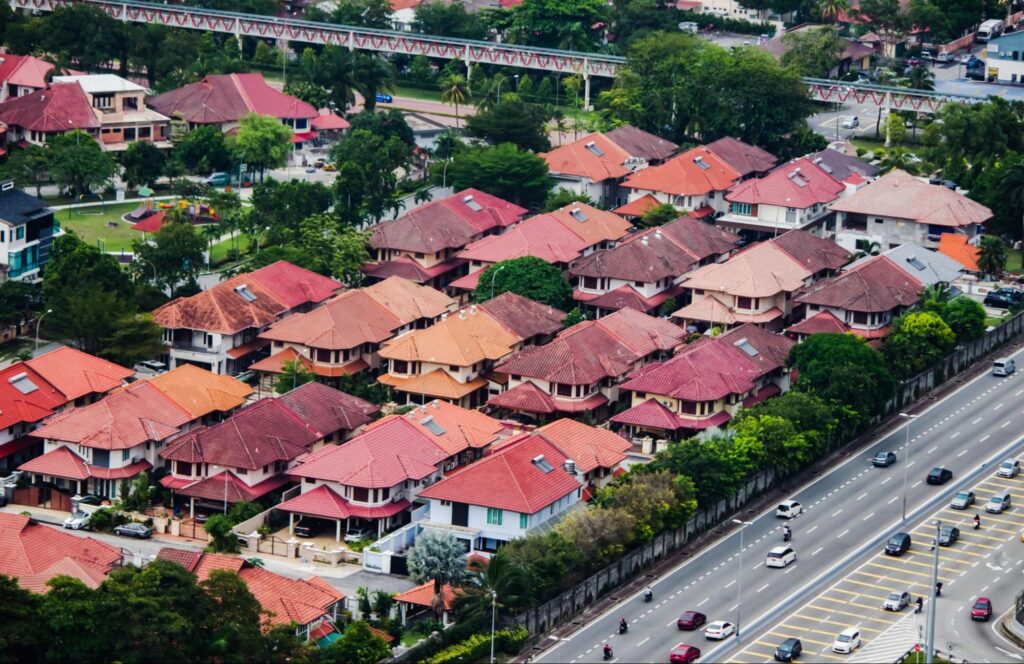
If you live in a Malaysian landed home (whether it is a cosy double-storey terrace or a spacious bungalow) you are probably all too familiar with the daily water pressure lottery. There is nothing more frustrating than stepping into the shower after a long day only to be met with a weak, disappointing trickle because someone downstairs decided to wash the dishes or water the garden. While condominium living comes with centralised booster systems, landed homes leave you to manage your own pressure, often forcing you to choose between weak water flow upstairs or a noisy pump that keeps the whole neighbourhood awake. Finding the right water pump for landed property does not have to be a guessing game of raw horsepower. The perfect system should seamlessly balance your home’s vertical height and bathroom count to deliver a strong, steady stream to every single tap without over-pressurising your pipes or spiking your monthly electricity bill. It is about upgrading your daily comfort and finally enjoying the rain shower you paid for, completely stress-free. Table of Contents Essential Factors to Evaluate Before You Buy Head and Flow Rate: Vertical lift (head) and water volume (flow rate) must match your property’s storey count, tank height, and number of bathrooms to avoid weak pressure or excessive pump cycling. Energy Efficiency: Energy-efficient pumps with automatic pressure control typically add only a modest, predictable amount to monthly electricity bills under Malaysia’s residential tariff structure. Noise and Vibration: Low noise levels and anti-vibration mounting are critical for cluster homes and gated communities, where pump vibration can easily disturb neighbours and household members. Fixture Protection: Integration with existing rooftop tanks, outdoor filters, and instant heaters requires the correct pressure range to prevent damage to mixers, rain showers, and other pressure-sensitive fixtures. Safety Standards: Proper earthing, and weatherproof isolators are mandatory safety requirements for electric motor installations in Malaysia’s humid, wet climate. Why Landed Properties Need Tailored Pump Solutions Landed homes in Malaysia face unique water pressure challenges that condominiums do not encounter. Unlike high-rise units with centralised booster systems, terraces, semi-detached homes, and bungalows rely on individual rooftop tanks or direct mains connections, both of which often deliver insufficient pressure for upper-floor bathrooms, rain showers, and instant water heaters. Choosing a water pump for landed property depends on your property’s vertical layout, pipe run distance, and simultaneous water use patterns. A double-storey terrace with two bathrooms requires far less head and flow than a three-storey bungalow with four bathrooms and garden irrigation. Understanding Head and Flow for Malaysian Homes Head measures the vertical lift a pump must overcome, expressed in metres, from the pump’s inlet to the highest outlet fixture. Flow rate, measured in litres per hour, represents the volume of water delivered to taps and showers. For a typical double-storey terrace with a rooftop tank, the vertical distance from ground-level pump to uppermost bathroom might be 8 to 10 metres, but additional pipe friction and fittings add effective head. Most installers recommend sizing pumps with a safety margin of 20 to 30 per cent above calculated head to account for friction losses and future add-ons. Flow demand in a three-bathroom terrace with simultaneous shower and kitchen use can peak at 50 to 70 litres per minute. Undersized pumps will cycle on and off frequently, reducing lifespan and creating pressure fluctuations. Booster Pump or Self-Priming Pump: Choosing the Right Type A booster pump increases pressure from an existing supply, such as a rooftop tank, to deliver stronger flow at fixtures. A self-priming pump, by contrast, moves water from a ground-level tank or sump to an elevated storage tank. Most Malaysian landed homes use booster pumps positioned after the rooftop tank outlet to ensure consistent pressure throughout the house. Self-priming pumps suit properties with ground-level rainwater harvesting tanks or where mains pressure is too low to fill a rooftop tank reliably. Automatic pressure-control booster pumps start when a tap opens and stop when all taps close, eliminating the need for manual switching and reducing energy waste. These are the most popular choice for modern terraces and semi-detached homes. Noise, Vibration and Neighbour-Friendly Installation Pump noise is a major concern in cluster homes and gated communities where houses share party walls or sit close together. Centrifugal pumps typically operate at 50 to 70 decibels, roughly equivalent to normal conversation, but poorly mounted units can transmit vibration through walls and floors. Install pumps on level concrete bases with anti-vibration rubber pads or isolation mounts to dampen vibration. Avoid fixing pumps directly to shared walls or wooden floors. Enclosing the pump in a ventilated, sound-dampening housing can reduce noise further without restricting airflow needed for motor cooling. Position pumps away from bedrooms and living areas wherever possible, and ensure the installation complies with any community by-laws on equipment noise. Energy Efficiency and Running Cost in Malaysia Pump motor power typically ranges from 370 watts (0.5 horsepower) for small booster pumps to over 1,100 watts (1.5 horsepower) for larger systems. A 750-watt pump running two hours daily consumes approximately 45 kilowatt-hours per month, adding a modest increment to your electricity bill at Malaysia’s residential tariff rates. According to industry data, Malaysia’s National Energy Efficiency Action Plan enforces minimum performance standards for HVAC equipment and resets rating metrics from EER to CSPF, a trend that is gradually influencing pump motor efficiency standards. Inverter-driven or variable-speed pumps adjust motor speed to match demand, reducing energy consumption by 20 to 40 per cent compared to fixed-speed units when flow requirements vary throughout the day. When evaluating running cost, compare motor wattage, expected daily runtime, and the presence of automatic pressure control, which prevents the pump from running unnecessarily when no taps are open. Protecting Plumbing and Pressure-Sensitive Fixtures Oversized or improperly regulated pumps can generate water pressure exceeding 4–5 bar, potentially placing unnecessary stress on mixer taps, instant water heaters, flexible hoses, and other plumbing fixtures. Most residential plumbing fixtures and water heaters are designed to operate efficiently within a pressure range of
LSP-500A: The Best Ultra Low Suction Submersible Pump in Malaysia for Dewatering
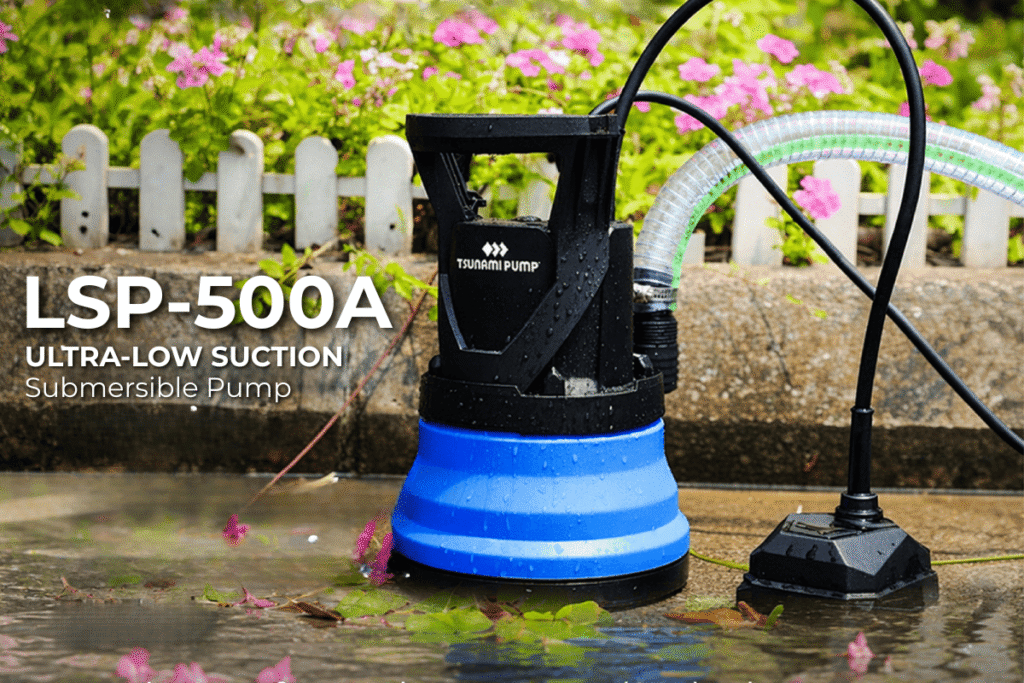
If you manage a commercial property or own a home with a basement in Malaysia, you know the absolute dread of a sudden afternoon thunderstorm. Watching water pour into your car park or basement is stressful enough, but the real nightmare is the aftermath: hours spent sweeping up those last two inches of stubborn, muddy water that standard pumps just can’t reach, leaving behind a breeding ground for mould and foul odours. The LSP-500A ultra-low suction submersible pump changes all of that. Instead of shutting off early and leaving a massive puddle behind, this powerhouse is engineered to drain water down to a near-dry 1–2 millimetres from the floor. It gives you the fast, effortless cleanup you actually need so you can protect your property and get back to business without the backbreaking manual labor. Table of Contents Why Ultra-Low Suction Matters in Malaysian Flood Scenarios Conventional submersible pumps typically stop pumping when water drops below 30–50 mm, leaving significant residual water on flat surfaces. In Malaysian terrace houses with tiled ground floors and underground car parks with shallow gradients, this remaining water takes hours to evaporate and can seep into wall cavities. The LSP-500A’s ability to operate down to near dry 1–2 mm means house basements and car parks reach a near-dry state within minutes of the main flood receding. Faster drying reduces humidity spikes and minimises the window for mould colonisation, a critical concern in Malaysia’s tropical climate. How the LSP-500A Achieves Ultra-Low Suction The pump employs a flat, wide base plate that allows water to flow laterally into the intake even when the surrounding depth is minimal. Intake ports are positioned at the extreme bottom edge, paired with a centrifugal impeller optimised for low-NPSH conditions. Side-inlet and top-outlet configurations ensure motor cooling even at low water levels, preventing thermal overload. The LSP-500A routes discharge vertically while drawing water horizontally across the base, so the motor remains submerged and cooled by incoming liquid flow. Sizing the LSP-500A for Your Application Correct pump sizing balances flow rate (litres per minute) against total head (vertical lift plus friction losses). For a typical 100 m² basement with an expected 150 mm flood depth and a 3-metre discharge height, calculate total volume (15 m³ or 15,000 litres) and target a pump that delivers at least 250 L/min at 3 m head to complete drainage within an hour. Hose diameter also matters: a 32 mm hose introduces higher friction loss than a 50 mm hose over the same run, reducing effective flow rate. Always verify pump performance curves at your specific head to avoid undersizing. Comparison: Ultra-Low Suction vs. Slurry vs. Sewage Pumps Pump Type Minimum Water Level Solids Handling Best Use Case Ultra-Low Suction (LSP-500A) 1–2 mm Fine silt, light debris ≤3 mm Basements, pools, clean floods Slurry Pump 30–50 mm Heavy sand, mud, solids ≤25 mm Construction pits, mining sumps Sewage Pump 50–100 mm Soft solids, fibres ≤50 mm Septic tanks, wastewater Progressing Cavity Pump Variable Viscous fluids, abrasive slurries Industrial sludge, chemicals Choose the LSP-500A when near-complete water removal is paramount and solids content is minimal. For heavy mud or construction slurry, a dedicated slurry pump with agitator is more appropriate. Monsoon Season Readiness: A Checklist for Malaysian Property Owners Malaysia’s afternoon thunderstorms can dump 80–100mm of rain in under an hour. Have these in place before the season peaks. Clear all floor drains and gully traps of leaves and silt Identify the lowest point in your basement or car park, that is where the pump goes Connect the LSP-500A to an RCD-protected power point before deployment Route the discharge hose with a gentle upward slope to reduce back-pressure After each use, rinse the intake screen and impeller chamber with clean water before storage Standard drainage pumps stop at 30–50mm of residual water, leaving the rest to mop manually. The LSP-500A runs down to 1–2mm, eliminating that final stage entirely. 3 Design Insights for Maximum Performance Intake Limitations Over Bulk Solids While the LSP-500A easily manages fine silt and light debris up to 3 mm, it is not built to act as a heavy-duty mud pump. Pushing large gravel or thick construction slurry through the intake risks clogging the internal impeller. The Danger of “Tipping” Standard Pumps A common mistake is attempting to lay a standard drainage pump on its side to clear shallow water. Without specialized base plate geometry, this disrupts the required liquid flow path, starving the intake and quickly overheating the motor. Efficiency Trumps Raw Motor Size A larger motor does not guarantee faster or better drainage. Proper system optimization and matching the pump configuration exactly to your floor space yields up to a 20–50 percent savings in energy usage compared to running an oversized unit inefficiently. Installation Best Practices for Malaysian Conditions Position the LSP-500A on the lowest point of the floor, ensuring the base plate sits flat to maximise intake area. Avoid placing the pump on uneven surfaces or gravel, which creates air gaps and reduces suction efficiency. Use a residual current device (RCD) on the power supply to protect against electric shock in flood conditions. Ensure the power cable has sufficient slack to prevent tension on the pump body, and route the discharge hose with a gentle upward slope to minimise back-pressure and prevent siphoning when the pump stops. Maintenance and Longevity in Silty Malaysian Water Malaysia’s urban runoff often carries fine silt, leaves, and organic matter. After each deployment, rinse the LSP-500A intake screen and impeller chamber with clean water to prevent sediment build-up that can unbalance the impeller or clog the cooling path. Inspect the base plate and intake ports monthly during monsoon season. Regular maintenance extends pump life and preserves efficiency, reducing the total cost of ownership over the unit’s service life. Final Thoughts and Next Steps The LSP-500A delivers unmatched performance in ultra-shallow water removal, making it the go-to choice for Malaysian basements, car parks, and pools where every millimetre counts. By pairing correct sizing with proper installation,
Dealing with Aging Pipes? Learn how iPT Pressure Tank System Helps Homes with Old Piping Systems
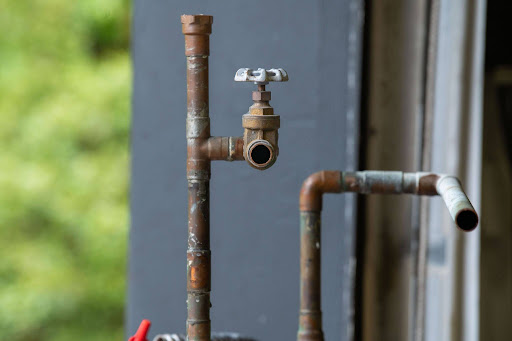
Living in an older Malaysian terrace or walk-up flat often means dealing with weak water pressure and restricted flow. While replacing old galvanised iron pipes is the best long-term fix, a full repiping job is a major expense and a messy disruption that many households prefer to delay. A pressure tank system, like the iPT system by Tsunami Pump, offers a practical alternative. Instead of using a standard booster pump that can violently force water through fragile plumbing and cause leaks, booster pump paired with iPT pressure tank system stabilises the flow using safer, conservative pressure settings. What You Need to Know About iPT Pressure Tank System and Old Plumbing iPT pressure tank system reduces sudden spikes and pump cycling, protecting fragile joints and fittings in aging pipes. Empire Plumber notes that low water pressure in Malaysian homes commonly stems from issues with water pumps, old or undersized pipes and clogged filters. Conservative cut-in and cut-out pressure settings help older piping handle improved flow without exceeding safe limits. Professional Malaysian service providers emphasise that improving water system efficiency for older houses usually involves pump, pressure tank system and filtration improvements. Table of Contents Introduction Many Malaysian homes built before the year 2000 still rely on galvanised iron piping that corrodes from the inside, narrows water passages and risks leaks. Homeowners face a difficult choice between costly repiping and living with weak, unreliable water pressure. Installing a home booster pump paired with iPT pressure tank system for old pipes in Malaysia offers a middle path: it boosts flow to showers and taps while protecting fragile plumbing from the sudden surges that direct booster pumps can cause. Why Pressure Control is a Must for Aging Plumbing in Malaysia Aging GI pipes develop internal rust, weak threads and micro-cracks that can rupture under sudden pressure changes. A pressure tank acts as a buffer, storing water under steady pressure and releasing it smoothly rather than forcing the pump to cycle on and off every time a tap opens. This cycling reduction is critical because each pump start creates a brief spike that can stress corroded joints and concealed elbows common in Malaysian terrace and flat layouts. Weak water pressure can be caused by problems with the pump, piping or filters, and that diagnose for the source before repairing or upgrading the system. By addressing both pump performance and pressure smoothing, a tank-based system extends the safe working life of old piping while planning proceeds for eventual replacement. How a Pressure Tank System Protects Old Pipes iPT pressure tank system store pressurized water in the tank. When the pump fills the tank, pressure rises to the cut-out point and the pump stops. As taps open, the compressed air gently pushes stored water into the pipes until pressure drops to the cut-in point, restarting the pump. This cycle can stretch over many draws, dramatically reducing the number of pumps starts per day and smoothing pressure delivery. For old piping, the key benefit is eliminating water hammer and sudden surges. Conservative settings mean the system operates at lower peak pressure than a direct pump would deliver, protecting weak threads and solder joints. Professional installers tune cut-in and cut-out points based on pipe condition, building height and daily demand. 3 Crucial Things to Consider Before Upgrading Your Water System The Danger of Direct Booster Pumps It is tempting to buy any standard booster pump to fix low water pressure, but licensed plumbers advise diagnosing the whole network first. Direct pumps without tanks can over-pressurise aging pipes and trigger serious leaks, whereas an iPT pressure tank system introduces controlled, gradual pressure designed for fragile plumbing. Staged Upgrades Save Your Budget You do not need to replace all your plumbing at once to see an improvement. While upgrading from old galvanised iron to PPR pipes is ideal for water quality, combining partial repiping with a gentle pressure tank allows for a staged, budget-friendly approach. Urban Homes Benefit Just as Much as Rural Ones iPT pressure tanks are not just for rural properties with wells. Urban Malaysian terrace houses utilising rooftop or ground tanks benefit equally, as the system smooths out municipal supply and protects aging internal distribution lines. Choosing the Right Pressure Settings for Malaysian Homes with Old Pipes Cut-in pressure typically ranges from 1.5 to 2.0 bar, while cut-out sits at 2.5 to 3.0 bar for homes with aging plumbing. These conservative ranges ensure sufficient flow to upper floors of double-storey terraces without exceeding the safe working pressure of corroded GI fittings. Installers assess pipe condition, measure friction losses from internal rust and adjust accordingly. For homes with older plumbing systems, the ideal pressure settings should be determined based on factors such as the building height, incoming water supply, pipe condition and household water demand. An iPT pressure tank paired with home booster pump helps maintain stable water pressure while reducing frequent pump cycling, contributing to smoother water flow and helping extend the service life of both the pump and the plumbing system. For homes with rooftop or ground water storage tanks, ensuring the pressure tank is correctly matched to the system is equally important for achieving consistent performance. Signs Your Old Piping Is Struggling These symptoms point to pipe degradation rather than a supply problem. If you are experiencing more than one, the plumbing itself is likely the issue. Weak pressure on upper floors only – ground-floor taps run fine but upstairs bathrooms deliver a trickle. Internal rust has narrowed the GI risers feeding the upper level. Rust-coloured water in the morning – discolouration that clears after a few minutes indicates sediment dislodged by overnight pressure changes sitting in corroded pipe walls. Pressure that fluctuates mid-shower – a sign the pump is short-cycling, turning on and off rapidly because there is no buffer in the system. Banging or knocking sounds when taps close – water hammer caused by sudden pressure spikes travelling through rigid, corroded pipework. Visible rust staining around joints or fittings – surface rust
How to Choose a Pump Near You Tips for Buying the Right Model?
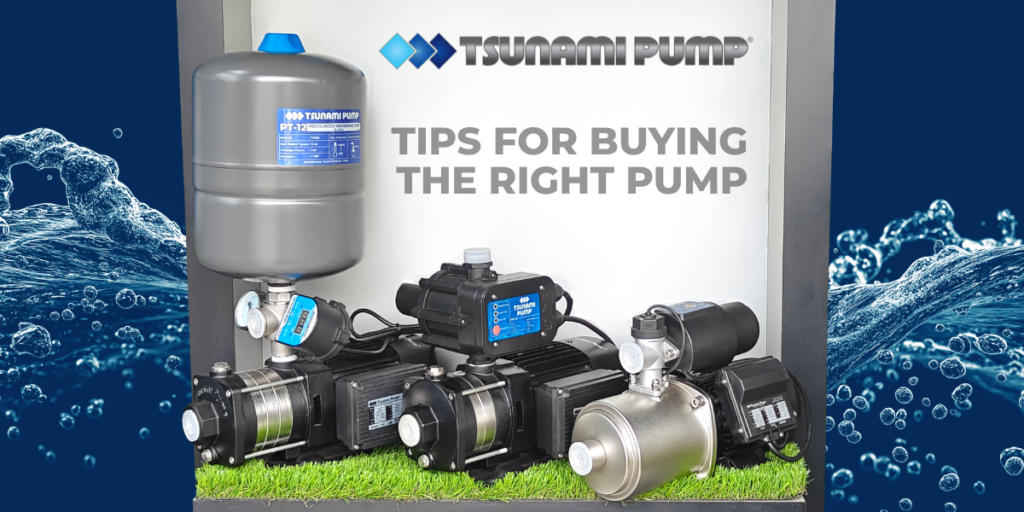
Buying a water pump may seem straightforward at first, but choosing the wrong model can lead to poor water pressure, inefficient performance, unnecessary energy consumption or premature system failure. Whether the pump is intended for residential, agricultural, commercial or industrial use, selecting the correct unit depends on more than simply finding water pumps for sale near your location. Different pump types are designed for different operating conditions, water flow requirements, pressure demands and installation environments. This article explains the key factors to consider when choosing the right pump model and how to evaluate local suppliers more effectively before making a purchase. Key Takeaways Different pump types are designed for different applications Flow rate and pressure requirements determine pump suitability Incorrect pump sizing can reduce efficiency and system lifespan Installation environment affects pump performance and durability Local supplier support and servicing capability are important considerations Table of Contents Why Choosing the Right Water Pump Matters A water pump directly affects how efficiently water moves through a system. Choosing the wrong pump can result in: Insufficient water pressure on upper floors Excessive pressure stress on lower-floor fixtures and plumbing Inconsistent flow during peak demand periods Higher energy bills from inefficient motor operation Increased wear, downtime and maintenance costs A properly selected pump improves system reliability, operating efficiency and long-term durability. Understand What the Pump Will Be Used For Before comparing models, identify the intended application clearly. Common pump applications include: Residential water supply Water pressure boosting for multi-storey buildings Irrigation systems Construction site drainage Industrial fluid transfer Agricultural water movement Flood or wastewater management Different applications require different pump designs and operating capacities. Common Types of Water Pumps Understanding pump categories helps narrow down suitable options. Centrifugal Pumps Centrifugal pumps are widely used for: General water transfer Residential systems Irrigation applications Commercial water circulation They are commonly preferred for steady flow applications. Booster Pumps Booster pumps help improve water pressure in homes or buildings. They are often installed when: Water pressure is too weak Multi-storey properties require consistent pressure across all floors Multiple outlets operate simultaneously Building systems require reliable, uninterrupted water delivery For high-rise residential and commercial developments, booster pump systems face additional demands, including maintaining consistent pressure across all floors, fitting within limited plant room space and delivering reliable uptime without service interruptions. Modern booster pump systems address these challenges through dual-pump configurations, combining one duty pump and one standby pump. This setup ensures continuous water supply even when one pump requires maintenance or encounters an unexpected fault, significantly reducing downtime risk for building occupants. Advanced systems also incorporate Variable Frequency Drive (VFD) technology paired with a smart onboard controller. The VFD continuously adjusts pump speed based on real-time demand, monitoring key parameters such as water flow rate, system pressure, operating status and overall system performance. This allows the system to maintain stable pressure whilst reducing unnecessary energy consumption, which is particularly useful in buildings where water demand fluctuates throughout the day. The CVF-DUO Booster Pump System by Tsunami Pump is one example of this type of solution, featuring an anti-rust pump shell for improved durability and a compact footprint suited to modern building applications. It is designed specifically for multi-storey and high-demand environments where reliability, efficiency and ease of installation are key requirements. Submersible Pumps Submersible pumps operate underwater and are commonly used for: Wells Boreholes Drainage systems Floodwater removal These pumps are designed to function while fully submerged. Sewage and Wastewater Pumps These pumps are designed for handling: Dirty water Wastewater Solid particles Drainage systems They are commonly used in industrial and municipal applications. Flow Rate Is One of the Most Important Factors Flow rate refers to how much water the pump can move within a certain time period. This is usually measured in: Litres per minute (L/min) Litres per hour (L/h) Gallons per minute (GPM) Cubic metres per hour (m³/h) – the standard unit for commercial and high-rise building applications Maximum Head (Pressure) – represents the pressure required to transport water to the highest point of the building while overcoming friction losses throughout the piping system. Choosing insufficient flow capacity may result in weak performance, while oversized pumps may waste energy unnecessarily. For booster pump systems serving multi-storey buildings, the required flow rate should account for occupancy density, building height, application type and simultaneous usage across all occupied floors. Water Pressure Requirements Matter Too Pressure determines how strongly water moves through the system. This becomes especially important for: Multi-storey homes Long piping systems Irrigation setups High-Rise Building Commercial and mixed-use developments For high-rise applications, maximum head is a critical pressure parameter. This refers to the total pressure required to transport water to the highest point of the building whilst overcoming friction losses throughout the piping system. Both flow rate and maximum head must be evaluated together to select a booster system that performs reliably under real building conditions. Consider the Installation Environment Environmental conditions affect pump durability and performance. Factors to evaluate include: Installation Factor Why It Matters Indoor vs outdoor use Weather resistance requirements Flood exposure Waterproofing considerations Corrosive or humid environments Rust-resistant pump construction becomes important Ventilation Cooling efficiency and motor protection Plant room or utility space limitations Compact system footprint simplifies installation and project planning Improper installation environments may shorten equipment lifespan. Energy Efficiency Should Not Be Ignored Electricity consumption can become significant over time, especially for pumps operating continuously. Variable Frequency Drive (VFD) technology plays a key role in modern pump energy management. By automatically adjusting motor speed to match actual water demand, VFD-equipped pumps consume only the energy required at any given moment, rather than running at full capacity continuously. Systems such as the CVF-DUO are designed with this in mind, helping reduce operational costs whilst maintaining consistent performance across varying demand conditions. Energy-efficient models may help reduce: Monthly electricity bills from continuous full-speed operation Unnecessary motor strain during low-demand periods Long-term maintenance requirements through smoother, demand-matched operation Choosing the cheapest unit initially may lead to higher operational costs later.
High Pressure Cleaning Tools Malaysia Homeowners Should Know About
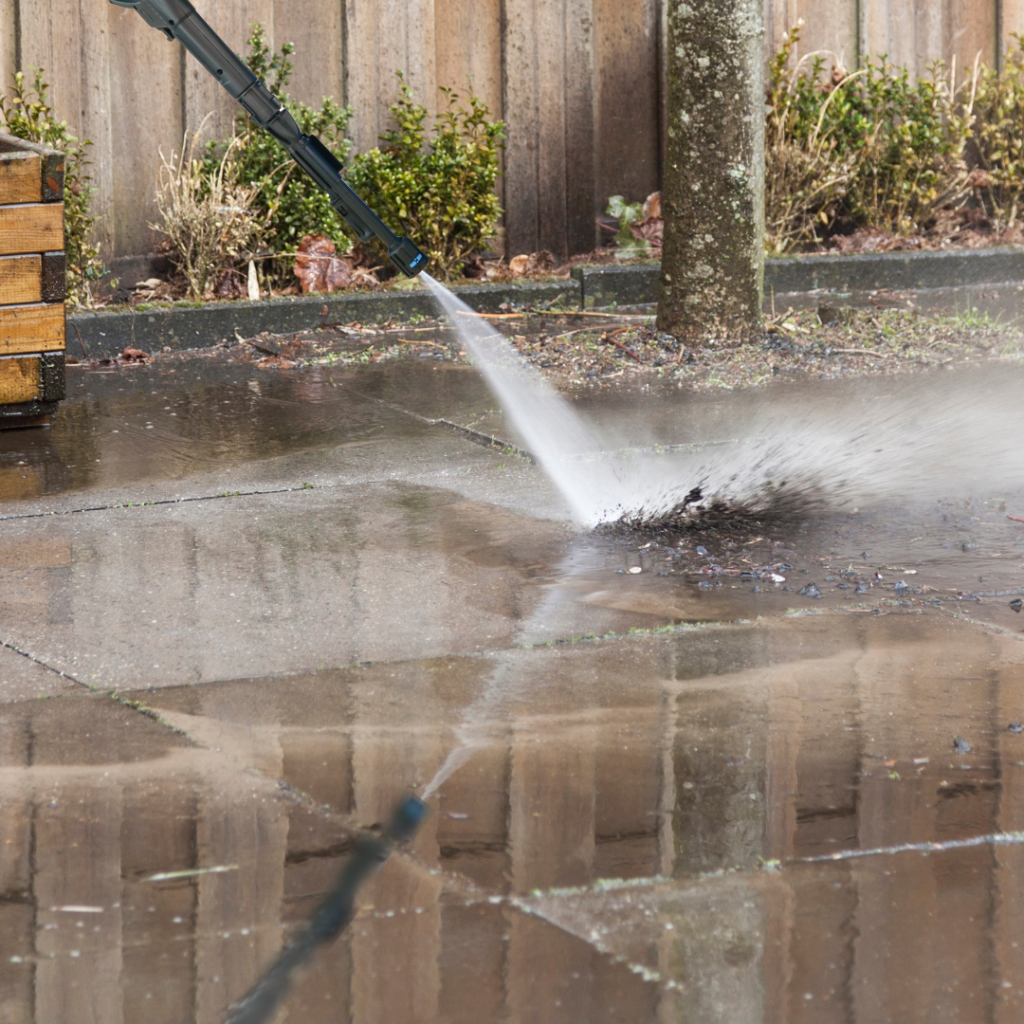
Keeping a home clean in Malaysia is not always straightforward. The country’s humid climate, heavy rainfall, dust buildup, algae growth, and outdoor exposure can cause dirt to accumulate quickly on driveways, walls, fences, tiles, roofs, and outdoor furniture. Regular washing methods are often not powerful enough to remove stubborn grime effectively. This is why more homeowners are turning to high pressure cleaner tools for faster, deeper, and more efficient cleaning. Modern pressure cleaning equipment can help remove dirt, mud, algae, oil stains, mould, and debris from various surfaces while reducing manual scrubbing effort significantly. This article explores the most common high pressure cleaning tools Malaysia homeowners should know about and how they are used for different household cleaning needs. Key Takeaways High pressure cleaning improves cleaning efficiency for outdoor household surfaces Different cleaning tools are designed for different cleaning applications Pressure washers are commonly used for driveways, walls, vehicles, and patios Proper nozzle and accessory selection improves cleaning safety and effectiveness Choosing the right cleaning equipment depends on surface type and cleaning frequency Table of Contents Why High Pressure Cleaning Is Popular in Malaysia Malaysia’s tropical weather creates conditions where outdoor surfaces become dirty relatively quickly. Common household cleaning problems include: Moss and algae growth Mud stains after rain Dust accumulation Oil stains on driveways Mould buildup on walls Dirt trapped in outdoor tiles Traditional hose washing often lacks enough pressure to remove these effectively. High pressure cleaning tools help increase cleaning power while reducing cleaning time. What Is High Pressure Cleaning? High pressure cleaning uses pressurised water flow to remove dirt and debris from surfaces. The water pressure helps break apart stubborn contaminants that normal washing methods may struggle to clean. Depending on the equipment and nozzle used, pressure cleaning may be suitable for: Outdoor flooring Driveways Vehicles Fences Patio areas Exterior walls Roof surfaces Garden equipment 1. Electric Pressure Washers Electric pressure washers are among the most commonly used household cleaning tools in Malaysia. They are popular because they are: Relatively compact Easier to maintain Suitable for residential use Quieter compared to petrol models Electric units are commonly used for: Car washing Patio cleaning Outdoor tiles Balcony cleaning Small driveway cleaning For many homeowners, electric pressure washers provide sufficient cleaning power for everyday residential maintenance. 2. Petrol-Powered Pressure Washers Petrol-powered models are generally more powerful than electric units. They are commonly used for: Larger outdoor spaces Heavy-duty cleaning Commercial cleaning applications Construction-related cleaning These machines often provide higher water pressure and greater mobility because they do not rely on direct electrical connection. However, they are usually: Louder Heavier More maintenance-intensive 3. Surface Cleaner Attachments Surface cleaners are circular pressure washing attachments designed for flat surfaces. They help clean areas such as: Driveways Concrete floors Outdoor tiles Garage floors Compared to standard spray nozzles, surface cleaners often: Improve cleaning consistency Reduce splashback Speed up large-area cleaning Create more even cleaning results 4. Turbo Nozzles Turbo nozzles create concentrated rotating water pressure. They are often used for removing: Tough grime Stubborn algae Thick mud buildup Deep surface stains Because of their stronger cleaning force, they must be used carefully on delicate surfaces. 5. Foam Cannons for Vehicle Cleaning Foam cannons are commonly paired with pressure washers for car washing. They help distribute thick cleaning foam evenly across vehicle surfaces before rinsing. This improves: Dirt loosening Cleaning coverage Washing efficiency Many homeowners now use foam cannon systems for home vehicle detailing. 6. Extension Wands Extension wands help increase cleaning reach for elevated surfaces. They are useful for: Roof cleaning High walls Gutters Upper exterior surfaces These attachments reduce the need for excessive ladder positioning during cleaning. 7. Water Jet Cleaner Systems A water jet cleaner uses concentrated pressurised water to remove dirt and buildup from surfaces more effectively than standard hose washing. Many homeowners use water jet cleaner systems for: Driveway cleaning Outdoor flooring Vehicle washing Fence cleaning Patio maintenance The stronger water pressure helps improve cleaning speed while reducing manual scrubbing effort. Choosing the Right Pressure Cleaning Tool Not all cleaning equipment is suitable for every surface. Homeowners should consider: Consideration Why It Matters Pressure strength Excessive pressure may damage surfaces Surface type Tiles, wood, concrete, and paint react differently Cleaning frequency Frequent use may require higher durability Portability Larger units may be harder to move Water usage Some systems are more efficient than others Selecting the wrong equipment can potentially damage surfaces instead of cleaning them. Common Areas Malaysians Use Pressure Cleaning For High pressure cleaning is commonly used around Malaysian homes for: Porch areas Outdoor tiles Car porches Garden pathways Perimeter walls Outdoor furniture Drainage areas Motorcycles and bicycles Why Proper Usage Is Important Although pressure cleaning is effective, improper use can create problems. Excessive pressure may damage: Painted surfaces Wooden materials Window seals Delicate tiles Vehicle paintwork Proper nozzle selection and pressure adjustment are important for safe operation. Safety Tips When Using Pressure Cleaning Tools Basic safety precautions include: Avoid spraying electrical areas directly Wear appropriate footwear Keep safe distance from surfaces initially Test pressure on small areas first Use suitable nozzles for different materials Safe handling improves both cleaning effectiveness and equipment lifespan. Why More Homeowners Are Investing in Pressure Cleaning Equipment Many Malaysian homeowners now prefer owning personal pressure cleaning systems because they: Reduce manual labour Improve cleaning efficiency Save long-term cleaning costs Simplify vehicle washing Improve exterior home maintenance As residential outdoor spaces become more design-focused, regular exterior cleaning is becoming increasingly important. Final Thoughts High pressure cleaning tools have become increasingly useful for Malaysian homeowners dealing with outdoor dirt, algae, stains, and weather-related buildup. From electric pressure washers and surface cleaners to water jet cleaner systems and specialised nozzles, modern cleaning equipment allows homeowners to maintain exterior spaces more efficiently with less physical effort. Choosing the right cleaning tools, pressure levels, and accessories helps improve cleaning results while protecting household surfaces from unnecessary damage. From restoring surface appearance to reducing manual labour, high pressure cleaning delivers a level of performance
What a High Pressure Cleaner Can Do That Your Regular Wash Cannot

Cleaning outdoor surfaces is often treated as a routine task, but the method used makes a significant difference in results. A standard hose or bucket wash may remove loose dirt, but it rarely addresses embedded grime, grease, algae, or long-term surface buildup. This is where a high pressure cleaner changes the outcome entirely. Also commonly referred to as a water jet cleaner, it uses concentrated water pressure to break down and remove contaminants that regular washing cannot reach effectively. Key Takeaways High pressure cleaning uses force, not just water volume, to remove deep-seated dirt It is significantly more effective on concrete, tiles, walls, and industrial surfaces A regular wash only cleans surface-level debris Water jet systems reduce cleaning time and manual effort Suitable for both residential and commercial maintenance applications Table of Contents Why Regular Washing Falls Short A typical wash relies on low-pressure water flow combined with manual scrubbing or detergent. While this may be sufficient for light dust or fresh stains, it struggles with: Hardened dirt layers Oil and grease stains Moss and algae growth Caked mud or industrial residue Key Limitation Water without pressure cannot penetrate porous surfaces effectively. As a result, contaminants remain trapped beneath the surface layer even after washing. How a High Pressure Cleaner Works A high pressure cleaner operates by forcing water through a narrow nozzle at significantly increased velocity. This creates: Concentrated impact force Deep surface penetration Faster breakdown of stubborn debris Core Mechanism Motor or engine generates pressure Water is pressurised inside a pump system High-speed jet is released through a controlled nozzle The result is a targeted cleaning stream capable of dislodging material that manual washing cannot remove. What a Water Jet Cleaner Can Do That Regular Washing Cannot A water jet cleaner delivers performance beyond surface cleaning. 1. Removes Embedded Dirt from Surfaces High pressure water can penetrate: Concrete driveways Brick walls Outdoor tiles Pavement surfaces 2. Breaks Down Oil and Grease Oil stains on garage floors or industrial surfaces are resistant to normal washing. A water jet cleaner: Breaks molecular adhesion of grease Lifts residue from hard surfaces Reduces need for heavy chemical cleaners 3. Eliminates Algae, Moss, and Mold Outdoor shaded areas often develop biological growth. High pressure cleaning: Strips algae from tiled surfaces Removes moss from walkways Reduces slippery surface risks This is especially important for safety in wet environments. 4. Restores Surface Appearance Over time, surfaces lose their original colour due to buildup. High pressure cleaning helps: Restore tile brightness Revive concrete texture visibility Improve overall exterior appearance 5. Reduces Cleaning Time and Labour Manual scrubbing requires significant effort. A water jet cleaner: Covers larger areas quickly Reduces physical labour Minimises repeated scrubbing cycles Common Applications of High Pressure Cleaning High pressure cleaners are used across multiple environments. Residential Use Driveways Garden paths Fences and gates Outdoor furniture Commercial Use Building facades Parking lots Loading bays Industrial floors Maintenance Use Pre-paint surface preparation Construction site cleanup Equipment washing Each application benefits from deeper and faster cleaning results. Water Jet Cleaner vs Regular Wash Feature Regular Wash Water Jet Cleaner Cleaning power Surface level Deep penetration Time efficiency Slow Fast Stain removal Limited High effectiveness Labour effort High Low Surface restoration Minimal Significant Safety and Proper Usage Considerations While effective, high pressure cleaning must be used correctly. Key considerations include: Protect gentle surfaces from damage Maintaining safe distance from painted or soft materials Using appropriate pressure settings Wearing protective equipment when necessary Improper use can lead to surface erosion or material damage. Why High Pressure Cleaning Is More Effective Long-Term Beyond immediate cleaning results, high pressure cleaning also contributes to: Reduced frequency of deep cleaning cycles Prevents buildup that can damage surfaces over time Lower reliance on chemical detergents Better maintenance of exterior surfaces Reduces reliance on chemical detergents Improved hygiene in outdoor areas This makes it a practical solution for long-term property maintenance. Final Thoughts A standard wash is suitable for light cleaning, but it has clear limitations when dealing with embedded dirt, grease, and biological growth. A high pressure cleaner, or water jet cleaner, provides a more powerful and efficient alternative by using concentrated water force to achieve deeper cleaning results. From restoring surface appearance to reducing manual labour, high pressure cleaning delivers a level of performance that traditional washing methods cannot match. For both residential and commercial environments, it represents a more effective and time-efficient approach to maintaining clean, safe, and presentable surfaces.
Common Pump Problems and How to Fix Them: Expert Solutions for Smooth Operation
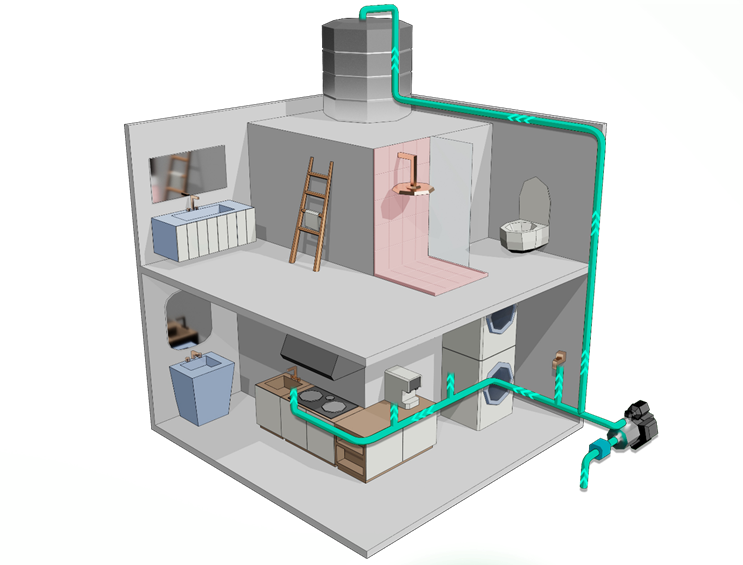
Pumps are essential components in industrial, commercial, and residential systems. Whether used for water transfer, circulation, or process applications, reliable pump performance keeps operations running smoothly. However, pumps do occasionally encounter issues that can reduce efficiency, increase energy consumption, or cause unexpected downtime. Understanding common pump problems and how to fix them can help businesses and facility managers extend the life of their equipment, reduce maintenance costs, and maintain smooth operation. This article explains typical pump issues and provides expert solutions that align with best practices used by professionals, including those at Tsunami Pump. Key Takeaways Pumps can encounter operational issues due to mechanical wear, improper installation, or environmental factors. Common problems include loss of flow, vibration, overheating, and leakage. Proper diagnosis and corrective actions can prevent costly downtime. Regular maintenance and system checks improve reliability and pump lifespan. Table of Contents 1. Loss of Flow / Jammed Q: Why is my pump jammed and not running at all? Symptoms: Lower than expected flow rate or pressure Pump struggles to deliver required capacity Pump not running at all Common Causes: High possibly caused by worn impeller or internal components This may be caused by a jammed mechanical seal or low motor power. 2. Excessive Vibration and Noise Q: Why is my pump very noisy? Symptoms: Loud humming, rattling, or grinding sounds Noticeable vibration around the pump Common Causes: If the noise is coming from the pump itself, it could be due to the bearing, mechanical seal, middle section, impeller or controller copper valve. The pump may be placed directly on a platform without a foam base underneath, causing vibration and increased noise. Install a foam pad or rubber mat under the pump to reduce noise and stabilize it during operation. 3. Motor Failure (Red Light) Q: Why does my pump show failure (red light)? Symptoms: Pump not running at all With a red light appears beside the “Failure” indicator Common Causes: It may be due to air lock problem. During a water disruption, if you forgot to switch off your pump, or if you turned it on immediately after the water supply resumed without waiting for the tank to fully refill, this may occur. To solve this, refer here. This may be caused by insufficient water supply, as the Home Booster Pump (CMH, CMF, CMS Series) requires a stable and adequate water source to function correctly. 4. Water Leakage Q: Why is my pump leaking? Symptoms: Visible fluid escaping from pump housing Visible fluid escaping from piping Common Causes: This may be caused by a mechanical seal malfunction, controller back assembly issue or aging gasket. This may also be caused by improper piping installation at the inlet/outlet. 5. Pump Running Non-stop / Start and Stop Frequently Q: Why does my pump run non-stop? / Why does my pump start and stop frequently? Symptoms: Pump operates non-stop Pump frequently start and stop within short period of time (intermittent) Common Causes: If the water pump is newly installed with PVC piping, you may notice traces of glue in the controller copper valve (refer to the photo below). There may be a leak in the pump system. Kindly close the outlet ball valve and observe: if the pump stops, it is most likely leaking from the piping; if it continues, it is likely from the pump controller. Warranty Terms and Coverage For warranty coverage, only manufacturing defects of parts for original Tsunami Pump product are eligible for claims, 1 Year* starting from the date of purchase with no charges incurred. Any defects resulting from inappropriate installation (for both pumps and piping), unauthorized alterations, unstable operating conditions, irregular electrical supply, mishandling, misapplication, flooding or lightning are not covered under warranty. If additional repair, installation, or inspection services are required from Tsunami Pump’s technician for pumps with expired warranty or parts that’s not covered under warranty, additional charges will be incurred. To register your e-warranty, please refer to the link. If you have any enquiries, feel free to click the WhatsApp badge at the bottom of the page or contact our Customer Service at +6017-6655 488. Best Practices for Smooth Pump Operation Implement Scheduled Maintenance Routine inspection and servicing reveal wear or imbalance early, reducing the risk of sudden breakdowns. Monitor Operating Conditions Always monitor your pump’s running condition and check for any leakage regularly to ensure optimal performance. Train Operators If you are using for commercial purpose, ensure staff understand correct start‑up, shutdown, and maintenance procedures to avoid common operational errors. Use Original Replacement Parts Use only high‑quality components from Tsunami Pump extend service life and maintain reliability. Final Thoughts Pumps are critical assets in many industrial and commercial systems. Troubles such as reduced flow, jammed, vibration, overheating, leakage, or intermittent are common but manageable with proper diagnosis and corrective action. Implementing structured maintenance and understanding how to address typical issues helps maintain efficient, reliable pump operation. Whether addressing immediate problems or improving long‑term performance, expert solutions and proactive care help ensure smooth operation and reduced downtime for any pump system. For practical guidance and professional pump solutions, consider consulting experienced technicians who specialise in pump maintenance, repair, and optimisation.
Self-Priming Pump vs. Home Booster Pump: What’s the Difference?
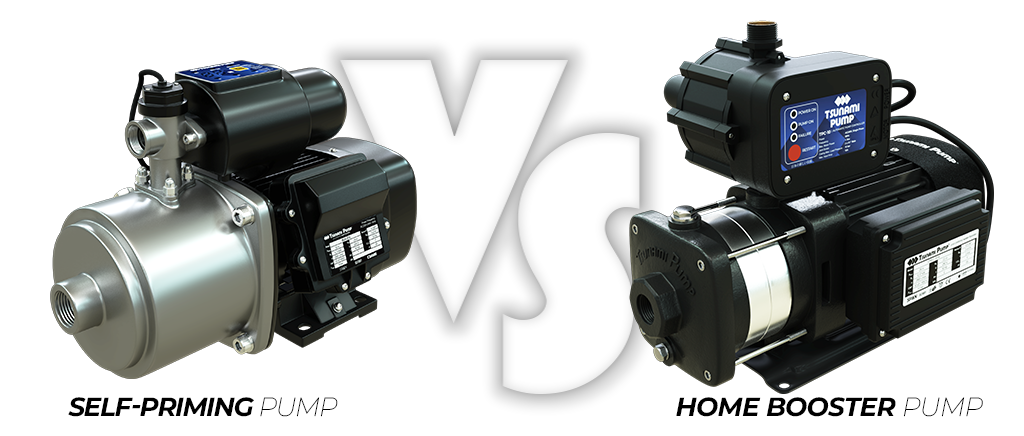
When dealing with water pressure issues at home, two recommendations commonly come up: install a self-priming pump or upgrade to a home booster pump. Install one and problem solved, right? Not necessarily. The problem is that these two systems are designed for different purposes, yet they are frequently treated as interchangeable solutions. Choosing the wrong type does not always cause failure, but more often than not, it leads to inconsistent pressure, unnecessary cycling, or a system that does not fully solve the issue. Understanding what each pump is built to do makes the decision clearer and helps ensure the solution fits your actual water setup. This article breaks down the differences in practical terms, so you can determine which pump suits your home and why. Key Takeaways Self-priming pumps are designed to lift and transfer water from lower sources such as ground tanks, wells or main water supply. Home booster pumps are built to improve pressure within an existing water supply system. Choosing the right pump depends on whether your issue is water access or water pressure. Installation layout, property type, and daily usage patterns all influence pump suitability. Matching the pump to its intended role leads to more stable performance and better long-term reliability. Table of Contents What Problem Each Pump Is Designed to Solve Before looking at mechanics or specifications, it helps to understand why each pump exists. A self-priming pump is designed to access water that is not already pressurised, while a home booster pump is designed to improve pressure where water already exists but weak. Where a self-priming pump fits Where a home booster pump fits Used when water sits below the pump level, such as ground tanks, shallow wells, or collection pits Used when water from main water tank insufficient to provide stable water pressure for multiple outlets Designed to lift water from main water supply into the water storage or distributed into entire building Installed inline with plumbing to strengthen the flow to taps, showers, and appliances Common in rural homes, older landed properties, and utility-focused or water storage setups Common in terrace houses with rooftop tanks, and end-of-line properties Once you define whether your problem is water access or water pressure, most confusion disappears. These pumps are not substitutes for one another. They are tools for different stages of water delivery. Mechanics of How Each Pump Moves Water Through the System Although both pumps move water, the way they do it is different in terms of performance, reliability, and comfort. A self-priming pump relies on suction, while a home booster pump relies on pressure reinforcement. Self-Priming Pump Home Booster Pump Uses suction to draw water from the main water supply. Works with incoming flow from main water tanks Requires a priming chamber filled with water to operate effectively Increases pressure by pushing water through the plumbing network Performance is influenced by suction height, pipe length, and air leaks Responds instantly when a tap opens Pressure output changes as demand changes Maintains steadier pressure across multiple outlets This difference explains why a self-priming pump typically delivers water based on transfer demand, while a booster pump focuses on maintaining steady pressure within a plumbing network. Each design reflects its intended role within the system. Typical Use Cases in Malaysian Homes While the specifications of a water pump matter, its selection also largely depends on the real living conditions of the household it is meant to serve. Housing layout, water source, and storage design all influence which pump makes sense. Malaysia’s housing mix includes terrace houses, kampung homes, high-rise building, bungalows and semi-rural properties. Each creates different water challenges. Where a Self-Priming Pump Makes Practical Sense Self-priming pumps are typically used when water must first be lifted before it can be distributed. Homes using ground tanks or shallow wells In some landed properties and village houses, water is stored at ground level or drawn from a well. A self-priming pump lifts that water to a rooftop tank or elevated storage system. Properties with gravity-fed rooftop tanks Water may be pumped from a lower storage tank or main water supply up to a higher tank. From there, gravity distributes it throughout the house. Irrigation and outdoor washing areas Farms, smallholdings, and rural homes typically use self-priming pumps to move water to hoses, washing bays, or field systems where pressure consistency is less critical than water access. Transfer-focused setups When the goal is moving water from Point A to Point B instead of stabilising tap pressure, self-priming pumps are structurally suited to that role. In these cases, the pump’s primary task is water lifting and transfer. Where a Home Booster Pump Is More Suitable A booster pump comes into play when water is already entering the property, but does not feel strong enough during daily use. Double-storey or three-storey terrace houses Upper-floor bathrooms may experience weaker flow when gravity alone cannot maintain comfortable pressure. Extended Distance from Main Water Tank Water outlets located farther from the main water tank may experience reduced water pressure, particularly during peak usage hours. Households with simultaneous usage When multiple showers, taps, and appliances run at the same time, a booster pump helps maintain stable pressure. In these setups, pressure consistency and daily comfort are the priorities since water access is not the issue. The distinction comes down to purpose. If the challenge is getting water into storage, a self-priming pump fits the system. If the challenge is maintaining comfortable pressure inside the house, a booster pump addresses that need. Matching the pump to the actual role in your plumbing system avoids overcomplicating the setup and keeps performance aligned with expectations. Noise, Wear, and Long-Term Daily Experience Other than pressure, homeowners tend to overlook how much sound and cycling behaviour affect daily satisfaction. Surface-mounted pumps are easier to hear. Pumps that start and stop frequently experience more mechanical stress. Self-Priming Pump Home Booster Pump Installed above ground, so operating noise is more noticeable Designed for frequent daily use Pressure changes lead
Why Your Home Might Need a Booster Pump (And How It Improves Water Pressure)
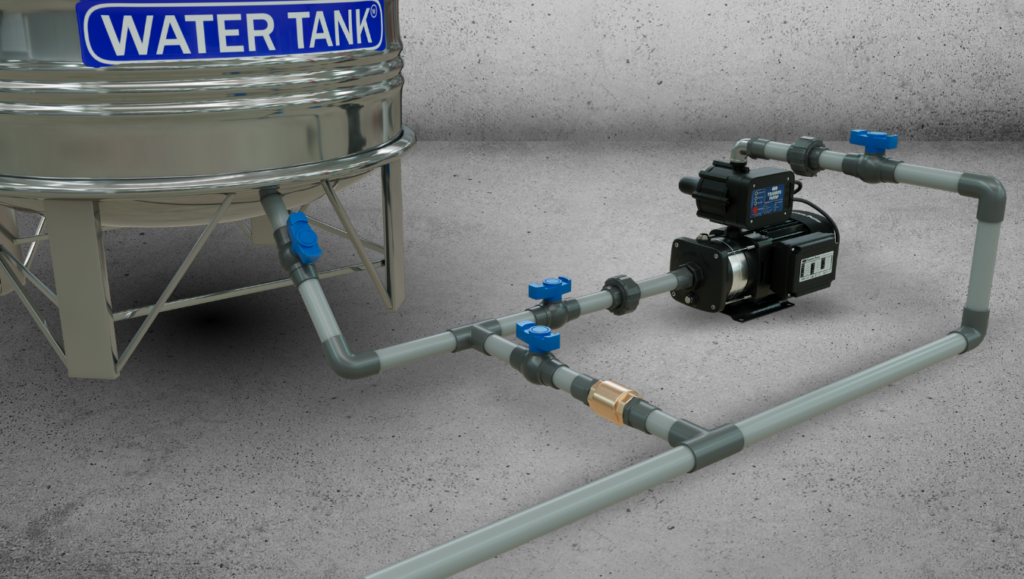
Do you often time your shower around quieter hours, or have you noticed that the water slows to a trickle when someone else turns on a tap? You’re not being paranoid or imagining things. The culprit is likely low water pressure. It has a way of sneaking into daily life and turning simple routines into small annoyances. In Malaysia, this issue shows up in many different homes. Landed homes experience it after extensions or extra bathrooms are added. Even newer houses can struggle when water has to travel a long distance from the tank to the furthest tap. This article looks at why water pressure drops in the first place and how a home booster pump helps restore steady flow. We’ll also cover what to consider before choosing one, so you can decide based on how water is actually used at home and fit everyday needs comfortably. Key Takeaways Low water pressure affects daily comfort more than many homeowners realise, affecting showers, appliances, and overall water efficiency across the home. A home booster pump improves water flow by supporting your existing mains or tank system, especially in multi-storey homes and high-demand households. Choosing the right pump depends on layout, usage patterns, and pressure requirements, not just pump size or brand. Modern booster systems offer quieter operation, smarter control, and built-in protections that support long-term reliability. When selected and installed correctly, a booster pump works quietly in the background, delivering consistent water pressure without changing how you live. Table of Contents Do You Need a Home Booster Pump? A home booster pump is worth considering when your municipal water supply or storage tank cannot deliver adequate pressure to all taps and showers in your property. This tends to show up in homes with multiple floors, long pipe runs, shared supply systems, or overhead tanks where gravity alone is not enough to maintain comfortable flow. Instead of focusing on where you live, it is more useful to look at how water behaves inside your home during everyday use. Signs that pressure support may be helpful: Shower flow feels noticeably weaker on upper floors compared to lower levels Water pressure drops when more than one tap or shower is in use Washing machines take longer than expected to fill Bathrooms furthest from the incoming supply feel inconsistent Rain showers or wide spray fittings struggle to deliver even coverage A water booster pump increases water pressure and flow throughout the internal plumbing system. It should match your home’s layout, pipe size, and water source. Installation must also follow local water authority guidelines to ensure proper operation and avoid unintended issues within shared supply systems. Why Water Pressure Feels Inconsistent at Home Water pressure problems rarely come from a single cause. Most of the time, it is a combination of how water enters the house and how far it needs to travel once inside. In many Malaysian homes, water is stored in a rooftop or overhead tank. Gravity helps move water downward, but gravity alone has limits. The further the water travels horizontally or upward, the more pressure is lost along the way. Upper floors, back bathrooms, and kitchens at the far end of the house usually feel this first. Pipe age and layout also matter. Older homes or extended properties often have longer pipe runs, additional bends, or reduced pipe diameters. Each of these adds resistance, which reduces usable pressure by the time water reaches the tap. What homeowners experience is not a lack of water, but a lack of usable pressure. What a Home Booster Pump Actually Does A home booster pump supports water flow by adding controlled pressure to your plumbing system. While it does not create water nor replace your tank or municipal supply, it does help water move through your pipes more effectively. When you open a tap, a sensor detects flow or pressure change. The pump activates and assists the water already in the system, pushing it through with steady force. Once the tap is closed, the pump slows down or switches off. How it works: The pump body contains an impeller (a spinning disc with curved blades) powered by an electric motor. When the impeller spins, it draws water from your mains line (Main Pipe Assist Pressure Pump) or storage tank (Home Booster Pump), accelerates it outward, and converts that velocity into pressure. This pressurised water then travels through your home’s piping network to reach every outlet with improved flow. Modern booster pumps, such as AQUA X-3 or CMS, include protections that help them run reliably. These may include dry-run protection that prevents damage when the tank runs empty, over-heating protection for electrical safety, leak detection, and soft starting to reduce stress on internal parts — all designed to extend pump lifespan and reduce repair costs over the years. Homes That Commonly Benefit From Booster Pumps Some homes experience pressure challenges simply because of how water needs to travel within the property. In these situations, a booster pump helps stabilise flow and improves everyday usability. Multi-storey landed houses Water pressure naturally drops as water travels upward. In double-storey or triple-storey homes, upstairs bathrooms may receive weaker flow when multiple outlets are used at the same time. A booster pump helps maintain consistent pressure across all floors, so upper levels receive similar flow to ground-floor taps. Homes with rooftop or overhead tanks Overhead tanks rely on gravity to distribute water. When the height difference between the tank and the highest tap is small, pressure can feel limited. A booster pump supports gravity by adding controlled pressure, helping water move smoothly across longer pipe runs and distant bathrooms. Extended or renovated homes Properties with added bathrooms, long kitchens, or outdoor taps usually outgrow their original plumbing design. A booster pump helps the system keep up with the increased demand. In all these cases, the issue is distribution rather than water availability. A