

How to Choose the Right Water Pump for Landed Homes in Malaysia
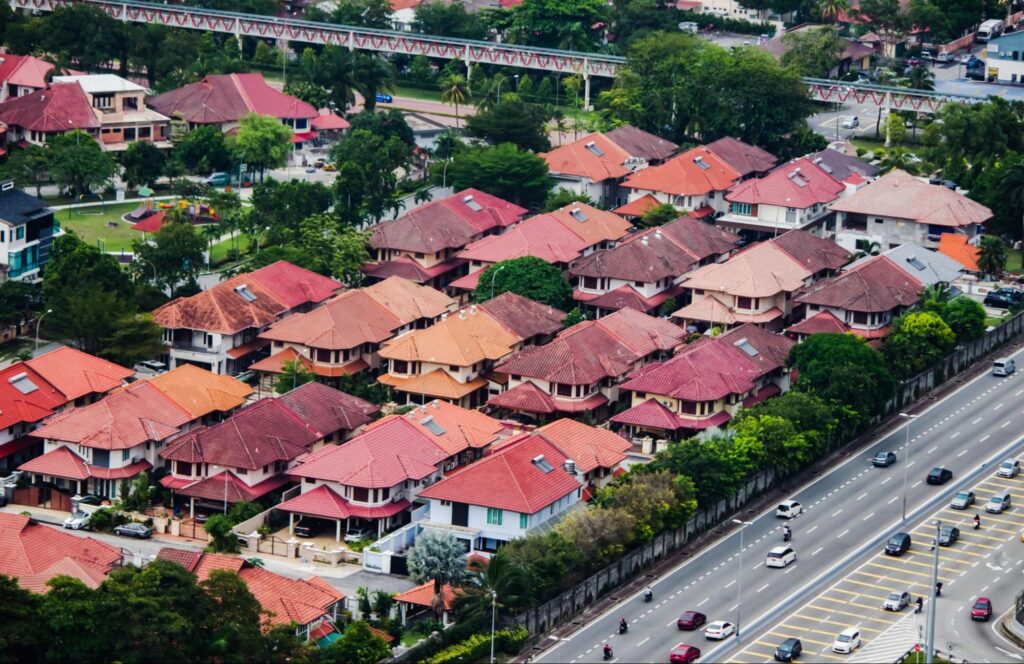
If you live in a Malaysian landed home (whether it is a cosy double-storey terrace or a spacious bungalow) you are probably all too familiar with the daily water pressure lottery. There is nothing more frustrating than stepping into the shower after a long day only to be met with a weak, disappointing trickle because someone downstairs decided to wash the dishes or water the garden. While condominium living comes with centralised booster systems, landed homes leave you to manage your own pressure, often forcing you to choose between weak water flow upstairs or a noisy pump that keeps the whole neighbourhood awake. Finding the right water pump for landed property does not have to be a guessing game of raw horsepower. The perfect system should seamlessly balance your home’s vertical height and bathroom count to deliver a strong, steady stream to every single tap without over-pressurising your pipes or spiking your monthly electricity bill. It is about upgrading your daily comfort and finally enjoying the rain shower you paid for, completely stress-free. Table of Contents Essential Factors to Evaluate Before You Buy Head and Flow Rate: Vertical lift (head) and water volume (flow rate) must match your property’s storey count, tank height, and number of bathrooms to avoid weak pressure or excessive pump cycling. Energy Efficiency: Energy-efficient pumps with automatic pressure control typically add only a modest, predictable amount to monthly electricity bills under Malaysia’s residential tariff structure. Noise and Vibration: Low noise levels and anti-vibration mounting are critical for cluster homes and gated communities, where pump vibration can easily disturb neighbours and household members. Fixture Protection: Integration with existing rooftop tanks, outdoor filters, and instant heaters requires the correct pressure range to prevent damage to mixers, rain showers, and other pressure-sensitive fixtures. Safety Standards: Proper earthing, and weatherproof isolators are mandatory safety requirements for electric motor installations in Malaysia’s humid, wet climate. Why Landed Properties Need Tailored Pump Solutions Landed homes in Malaysia face unique water pressure challenges that condominiums do not encounter. Unlike high-rise units with centralised booster systems, terraces, semi-detached homes, and bungalows rely on individual rooftop tanks or direct mains connections, both of which often deliver insufficient pressure for upper-floor bathrooms, rain showers, and instant water heaters. Choosing a water pump for landed property depends on your property’s vertical layout, pipe run distance, and simultaneous water use patterns. A double-storey terrace with two bathrooms requires far less head and flow than a three-storey bungalow with four bathrooms and garden irrigation. Understanding Head and Flow for Malaysian Homes Head measures the vertical lift a pump must overcome, expressed in metres, from the pump’s inlet to the highest outlet fixture. Flow rate, measured in litres per hour, represents the volume of water delivered to taps and showers. For a typical double-storey terrace with a rooftop tank, the vertical distance from ground-level pump to uppermost bathroom might be 8 to 10 metres, but additional pipe friction and fittings add effective head. Most installers recommend sizing pumps with a safety margin of 20 to 30 per cent above calculated head to account for friction losses and future add-ons. Flow demand in a three-bathroom terrace with simultaneous shower and kitchen use can peak at 50 to 70 litres per minute. Undersized pumps will cycle on and off frequently, reducing lifespan and creating pressure fluctuations. Booster Pump or Self-Priming Pump: Choosing the Right Type A booster pump increases pressure from an existing supply, such as a rooftop tank, to deliver stronger flow at fixtures. A self-priming pump, by contrast, moves water from a ground-level tank or sump to an elevated storage tank. Most Malaysian landed homes use booster pumps positioned after the rooftop tank outlet to ensure consistent pressure throughout the house. Self-priming pumps suit properties with ground-level rainwater harvesting tanks or where mains pressure is too low to fill a rooftop tank reliably. Automatic pressure-control booster pumps start when a tap opens and stop when all taps close, eliminating the need for manual switching and reducing energy waste. These are the most popular choice for modern terraces and semi-detached homes. Noise, Vibration and Neighbour-Friendly Installation Pump noise is a major concern in cluster homes and gated communities where houses share party walls or sit close together. Centrifugal pumps typically operate at 50 to 70 decibels, roughly equivalent to normal conversation, but poorly mounted units can transmit vibration through walls and floors. Install pumps on level concrete bases with anti-vibration rubber pads or isolation mounts to dampen vibration. Avoid fixing pumps directly to shared walls or wooden floors. Enclosing the pump in a ventilated, sound-dampening housing can reduce noise further without restricting airflow needed for motor cooling. Position pumps away from bedrooms and living areas wherever possible, and ensure the installation complies with any community by-laws on equipment noise. Energy Efficiency and Running Cost in Malaysia Pump motor power typically ranges from 370 watts (0.5 horsepower) for small booster pumps to over 1,100 watts (1.5 horsepower) for larger systems. A 750-watt pump running two hours daily consumes approximately 45 kilowatt-hours per month, adding a modest increment to your electricity bill at Malaysia’s residential tariff rates. According to industry data, Malaysia’s National Energy Efficiency Action Plan enforces minimum performance standards for HVAC equipment and resets rating metrics from EER to CSPF, a trend that is gradually influencing pump motor efficiency standards. Inverter-driven or variable-speed pumps adjust motor speed to match demand, reducing energy consumption by 20 to 40 per cent compared to fixed-speed units when flow requirements vary throughout the day. When evaluating running cost, compare motor wattage, expected daily runtime, and the presence of automatic pressure control, which prevents the pump from running unnecessarily when no taps are open. Protecting Plumbing and Pressure-Sensitive Fixtures Oversized or improperly regulated pumps can generate water pressure exceeding 4–5 bar, potentially placing unnecessary stress on mixer taps, instant water heaters, flexible hoses, and other plumbing fixtures. Most residential plumbing fixtures and water heaters are designed to operate efficiently within a pressure range of