

How to Choose a Pump Near You Tips for Buying the Right Model?
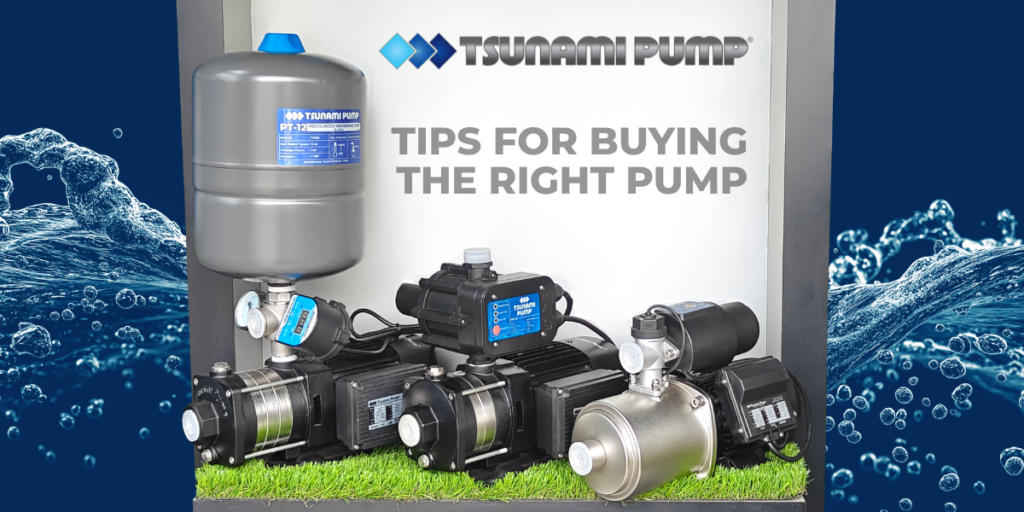
Buying a water pump may seem straightforward at first, but choosing the wrong model can lead to poor water pressure, inefficient performance, unnecessary energy consumption or premature system failure. Whether the pump is intended for residential, agricultural, commercial or industrial use, selecting the correct unit depends on more than simply finding water pumps for sale near your location. Different pump types are designed for different operating conditions, water flow requirements, pressure demands and installation environments. This article explains the key factors to consider when choosing the right pump model and how to evaluate local suppliers more effectively before making a purchase. Key Takeaways Different pump types are designed for different applications Flow rate and pressure requirements determine pump suitability Incorrect pump sizing can reduce efficiency and system lifespan Installation environment affects pump performance and durability Local supplier support and servicing capability are important considerations Table of Contents Why Choosing the Right Water Pump Matters A water pump directly affects how efficiently water moves through a system. Choosing the wrong pump can result in: Insufficient water pressure on upper floors Excessive pressure stress on lower-floor fixtures and plumbing Inconsistent flow during peak demand periods Higher energy bills from inefficient motor operation Increased wear, downtime and maintenance costs A properly selected pump improves system reliability, operating efficiency and long-term durability. Understand What the Pump Will Be Used For Before comparing models, identify the intended application clearly. Common pump applications include: Residential water supply Water pressure boosting for multi-storey buildings Irrigation systems Construction site drainage Industrial fluid transfer Agricultural water movement Flood or wastewater management Different applications require different pump designs and operating capacities. Common Types of Water Pumps Understanding pump categories helps narrow down suitable options. Centrifugal Pumps Centrifugal pumps are widely used for: General water transfer Residential systems Irrigation applications Commercial water circulation They are commonly preferred for steady flow applications. Booster Pumps Booster pumps help improve water pressure in homes or buildings. They are often installed when: Water pressure is too weak Multi-storey properties require consistent pressure across all floors Multiple outlets operate simultaneously Building systems require reliable, uninterrupted water delivery For high-rise residential and commercial developments, booster pump systems face additional demands, including maintaining consistent pressure across all floors, fitting within limited plant room space and delivering reliable uptime without service interruptions. Modern booster pump systems address these challenges through dual-pump configurations, combining one duty pump and one standby pump. This setup ensures continuous water supply even when one pump requires maintenance or encounters an unexpected fault, significantly reducing downtime risk for building occupants. Advanced systems also incorporate Variable Frequency Drive (VFD) technology paired with a smart onboard controller. The VFD continuously adjusts pump speed based on real-time demand, monitoring key parameters such as water flow rate, system pressure, operating status and overall system performance. This allows the system to maintain stable pressure whilst reducing unnecessary energy consumption, which is particularly useful in buildings where water demand fluctuates throughout the day. The CVF-DUO Booster Pump System by Tsunami Pump is one example of this type of solution, featuring an anti-rust pump shell for improved durability and a compact footprint suited to modern building applications. It is designed specifically for multi-storey and high-demand environments where reliability, efficiency and ease of installation are key requirements. Submersible Pumps Submersible pumps operate underwater and are commonly used for: Wells Boreholes Drainage systems Floodwater removal These pumps are designed to function while fully submerged. Sewage and Wastewater Pumps These pumps are designed for handling: Dirty water Wastewater Solid particles Drainage systems They are commonly used in industrial and municipal applications. Flow Rate Is One of the Most Important Factors Flow rate refers to how much water the pump can move within a certain time period. This is usually measured in: Litres per minute (L/min) Litres per hour (L/h) Gallons per minute (GPM) Cubic metres per hour (m³/h) – the standard unit for commercial and high-rise building applications Maximum Head (Pressure) – represents the pressure required to transport water to the highest point of the building while overcoming friction losses throughout the piping system. Choosing insufficient flow capacity may result in weak performance, while oversized pumps may waste energy unnecessarily. For booster pump systems serving multi-storey buildings, the required flow rate should account for occupancy density, building height, application type and simultaneous usage across all occupied floors. Water Pressure Requirements Matter Too Pressure determines how strongly water moves through the system. This becomes especially important for: Multi-storey homes Long piping systems Irrigation setups High-Rise Building Commercial and mixed-use developments For high-rise applications, maximum head is a critical pressure parameter. This refers to the total pressure required to transport water to the highest point of the building whilst overcoming friction losses throughout the piping system. Both flow rate and maximum head must be evaluated together to select a booster system that performs reliably under real building conditions. Consider the Installation Environment Environmental conditions affect pump durability and performance. Factors to evaluate include: Installation Factor Why It Matters Indoor vs outdoor use Weather resistance requirements Flood exposure Waterproofing considerations Corrosive or humid environments Rust-resistant pump construction becomes important Ventilation Cooling efficiency and motor protection Plant room or utility space limitations Compact system footprint simplifies installation and project planning Improper installation environments may shorten equipment lifespan. Energy Efficiency Should Not Be Ignored Electricity consumption can become significant over time, especially for pumps operating continuously. Variable Frequency Drive (VFD) technology plays a key role in modern pump energy management. By automatically adjusting motor speed to match actual water demand, VFD-equipped pumps consume only the energy required at any given moment, rather than running at full capacity continuously. Systems such as the CVF-DUO are designed with this in mind, helping reduce operational costs whilst maintaining consistent performance across varying demand conditions. Energy-efficient models may help reduce: Monthly electricity bills from continuous full-speed operation Unnecessary motor strain during low-demand periods Long-term maintenance requirements through smoother, demand-matched operation Choosing the cheapest unit initially may lead to higher operational costs later.