

Why Your Home Might Need a Booster Pump (And How It Improves Water Pressure)
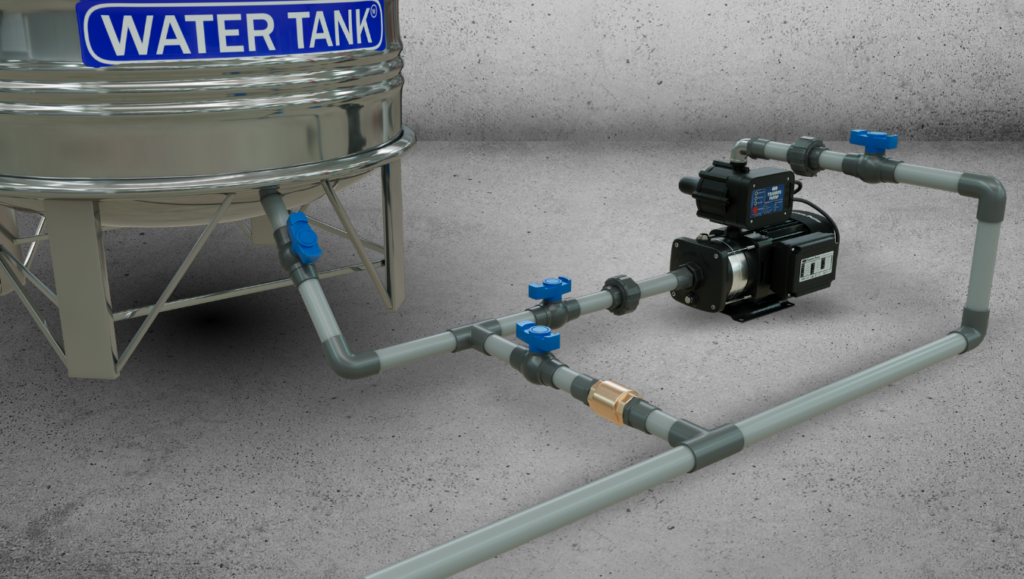
Do you often time your shower around quieter hours, or have you noticed that the water slows to a trickle when someone else turns on a tap? You’re not being paranoid or imagining things. The culprit is likely low water pressure. It has a way of sneaking into daily life and turning simple routines into small annoyances. In Malaysia, this issue shows up in many different homes. Landed homes experience it after extensions or extra bathrooms are added. Even newer houses can struggle when water has to travel a long distance from the tank to the furthest tap. This article looks at why water pressure drops in the first place and how a home booster pump helps restore steady flow. We’ll also cover what to consider before choosing one, so you can decide based on how water is actually used at home and fit everyday needs comfortably. Key Takeaways Low water pressure affects daily comfort more than many homeowners realise, affecting showers, appliances, and overall water efficiency across the home. A home booster pump improves water flow by supporting your existing mains or tank system, especially in multi-storey homes and high-demand households. Choosing the right pump depends on layout, usage patterns, and pressure requirements, not just pump size or brand. Modern booster systems offer quieter operation, smarter control, and built-in protections that support long-term reliability. When selected and installed correctly, a booster pump works quietly in the background, delivering consistent water pressure without changing how you live. Table of Contents Do You Need a Home Booster Pump? A home booster pump is worth considering when your municipal water supply or storage tank cannot deliver adequate pressure to all taps and showers in your property. This tends to show up in homes with multiple floors, long pipe runs, shared supply systems, or overhead tanks where gravity alone is not enough to maintain comfortable flow. Instead of focusing on where you live, it is more useful to look at how water behaves inside your home during everyday use. Signs that pressure support may be helpful: Shower flow feels noticeably weaker on upper floors compared to lower levels Water pressure drops when more than one tap or shower is in use Washing machines take longer than expected to fill Bathrooms furthest from the incoming supply feel inconsistent Rain showers or wide spray fittings struggle to deliver even coverage A water booster pump increases water pressure and flow throughout the internal plumbing system. It should match your home’s layout, pipe size, and water source. Installation must also follow local water authority guidelines to ensure proper operation and avoid unintended issues within shared supply systems. Why Water Pressure Feels Inconsistent at Home Water pressure problems rarely come from a single cause. Most of the time, it is a combination of how water enters the house and how far it needs to travel once inside. In many Malaysian homes, water is stored in a rooftop or overhead tank. Gravity helps move water downward, but gravity alone has limits. The further the water travels horizontally or upward, the more pressure is lost along the way. Upper floors, back bathrooms, and kitchens at the far end of the house usually feel this first. Pipe age and layout also matter. Older homes or extended properties often have longer pipe runs, additional bends, or reduced pipe diameters. Each of these adds resistance, which reduces usable pressure by the time water reaches the tap. What homeowners experience is not a lack of water, but a lack of usable pressure. What a Home Booster Pump Actually Does A home booster pump supports water flow by adding controlled pressure to your plumbing system. While it does not create water nor replace your tank or municipal supply, it does help water move through your pipes more effectively. When you open a tap, a sensor detects flow or pressure change. The pump activates and assists the water already in the system, pushing it through with steady force. Once the tap is closed, the pump slows down or switches off. How it works: The pump body contains an impeller (a spinning disc with curved blades) powered by an electric motor. When the impeller spins, it draws water from your mains line (Main Pipe Assist Pressure Pump) or storage tank (Home Booster Pump), accelerates it outward, and converts that velocity into pressure. This pressurised water then travels through your home’s piping network to reach every outlet with improved flow. Modern booster pumps, such as AQUA X-3 or CMS, include protections that help them run reliably. These may include dry-run protection that prevents damage when the tank runs empty, over-heating protection for electrical safety, leak detection, and soft starting to reduce stress on internal parts — all designed to extend pump lifespan and reduce repair costs over the years. Homes That Commonly Benefit From Booster Pumps Some homes experience pressure challenges simply because of how water needs to travel within the property. In these situations, a booster pump helps stabilise flow and improves everyday usability. Multi-storey landed houses Water pressure naturally drops as water travels upward. In double-storey or triple-storey homes, upstairs bathrooms may receive weaker flow when multiple outlets are used at the same time. A booster pump helps maintain consistent pressure across all floors, so upper levels receive similar flow to ground-floor taps. Homes with rooftop or overhead tanks Overhead tanks rely on gravity to distribute water. When the height difference between the tank and the highest tap is small, pressure can feel limited. A booster pump supports gravity by adding controlled pressure, helping water move smoothly across longer pipe runs and distant bathrooms. Extended or renovated homes Properties with added bathrooms, long kitchens, or outdoor taps usually outgrow their original plumbing design. A booster pump helps the system keep up with the increased demand. In all these cases, the issue is distribution rather than water availability. A